

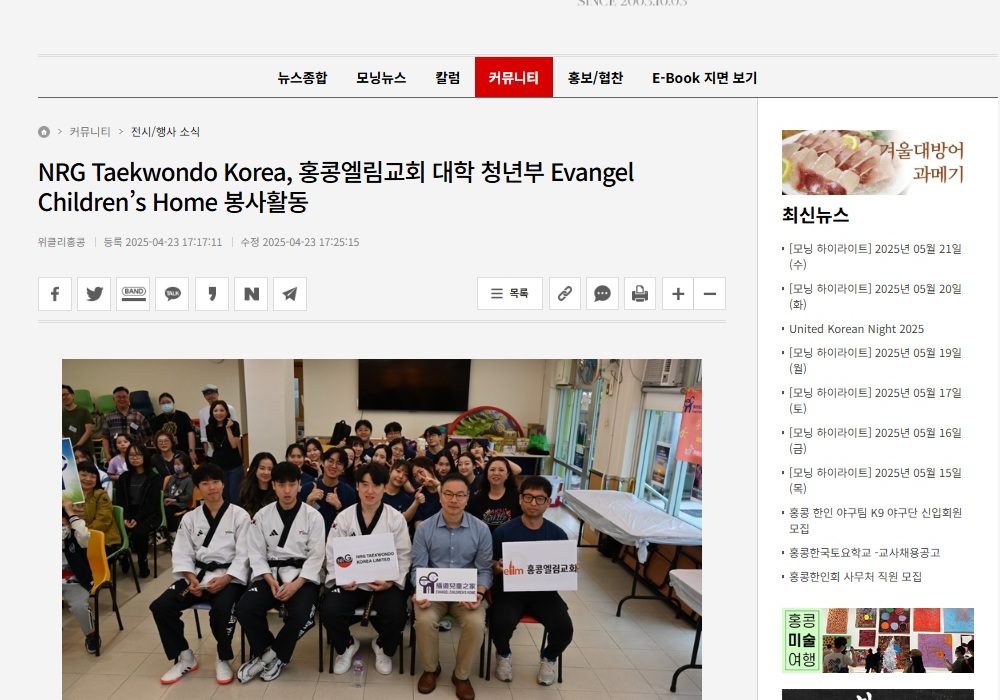
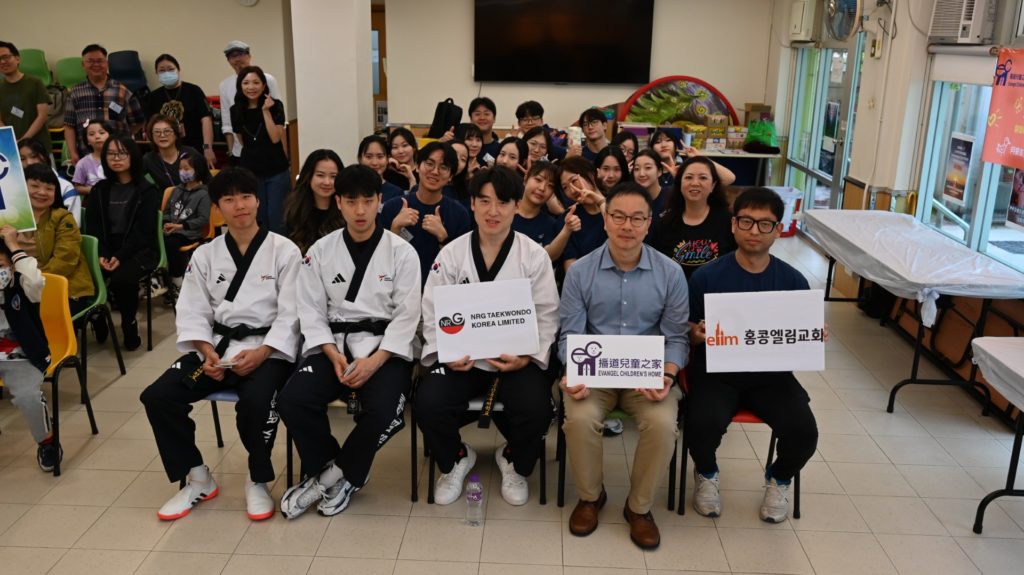
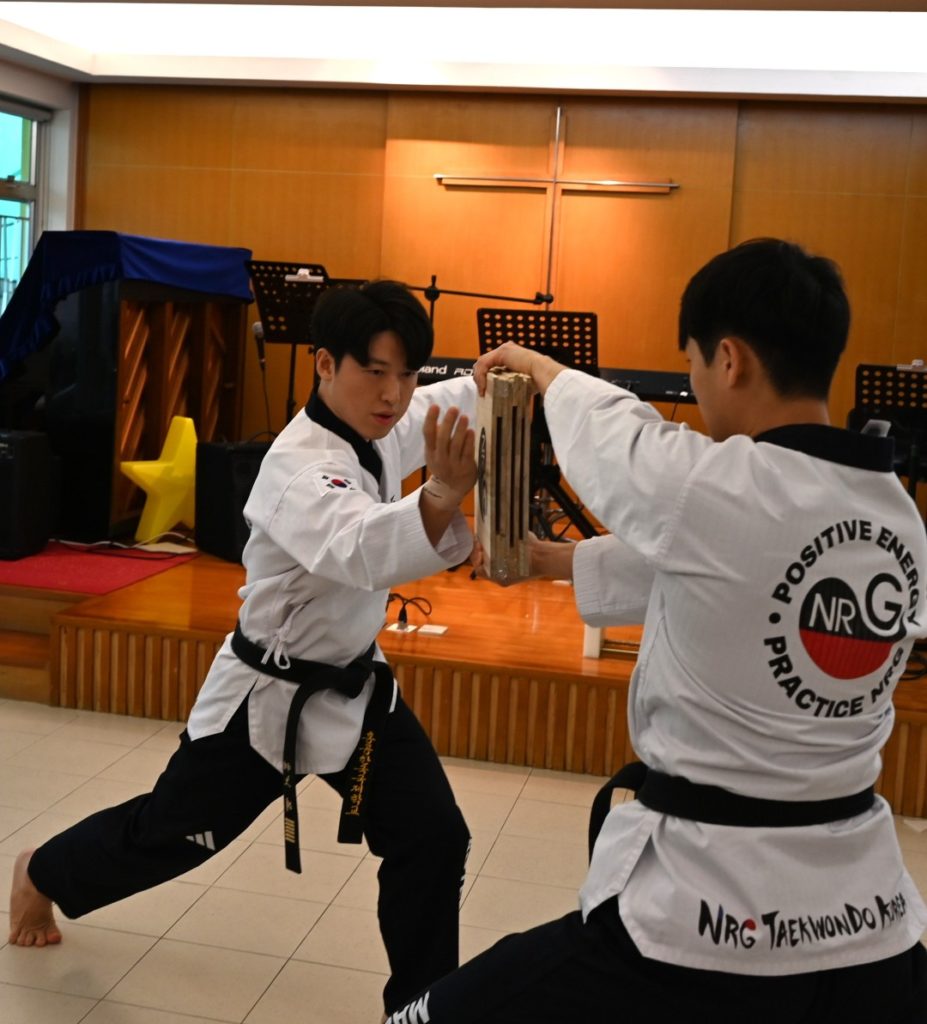
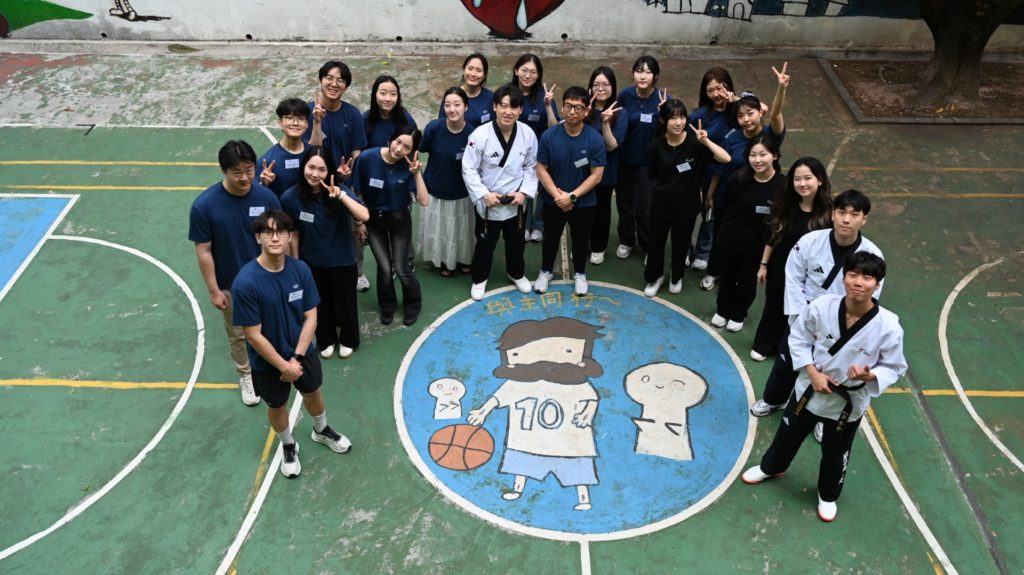
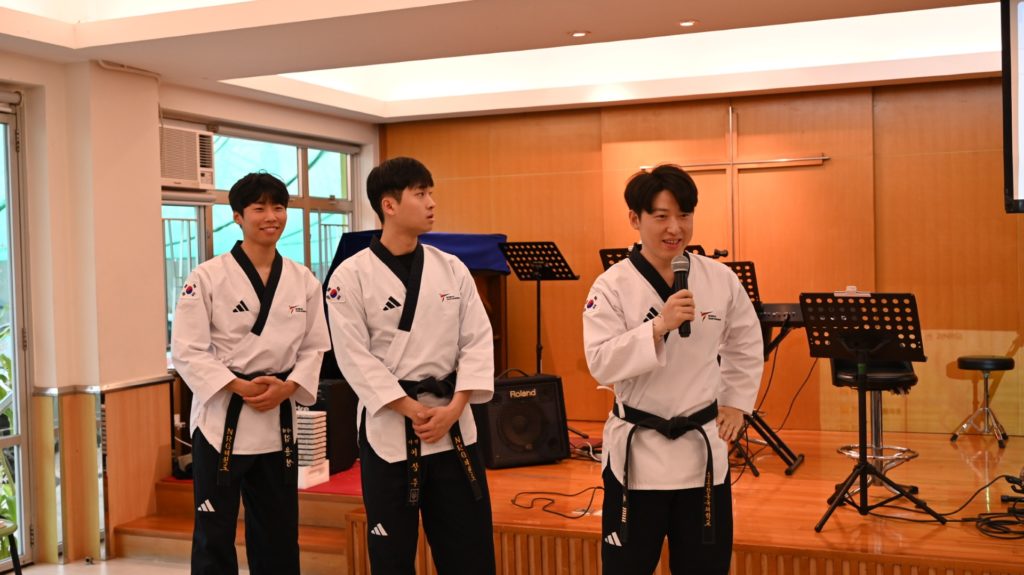
On April 12, masters from NRG Taekwondo Korea (led by Master No Rae) and approximately 20 young adults from the Hong Kong Elim Presbyterian Church (led by Pastor Kim Seongcheol under Senior Pastor Cho Yoon Tae) visited Evangel Children’s Home (ECH). The visit began with English worship songs and dances that the children could follow along with, creating an opportunity to build rapport with them. The taekwondo dance performance which followed helped open the children’s hearts even more, improving the atmosphere. The final Taekwondo demonstration by Master No and NRG Taekwondo masters brought everyone together in cheers and applause, creating a unified experience.
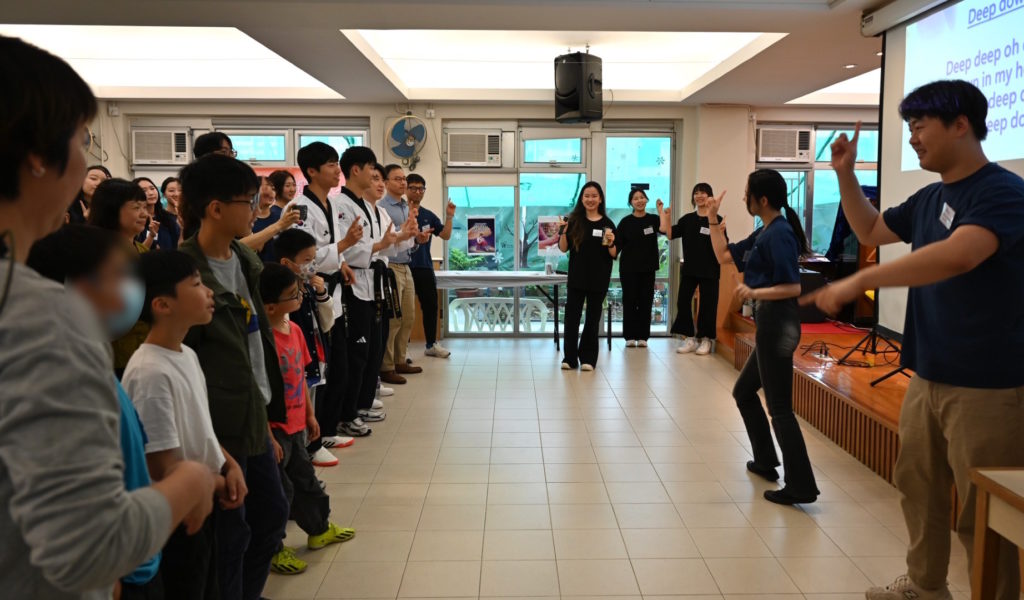
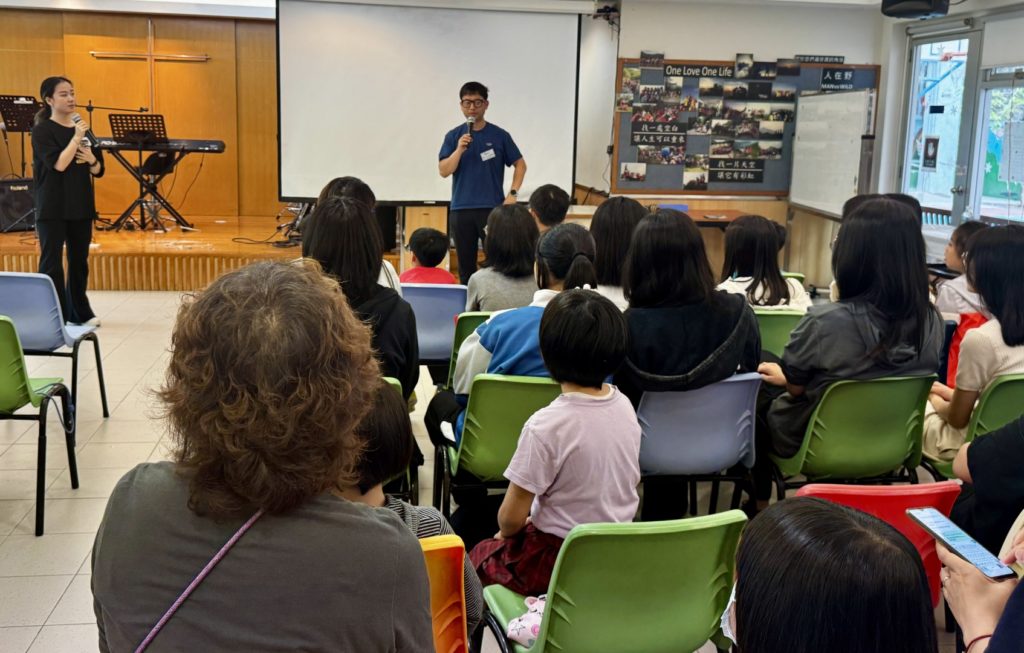
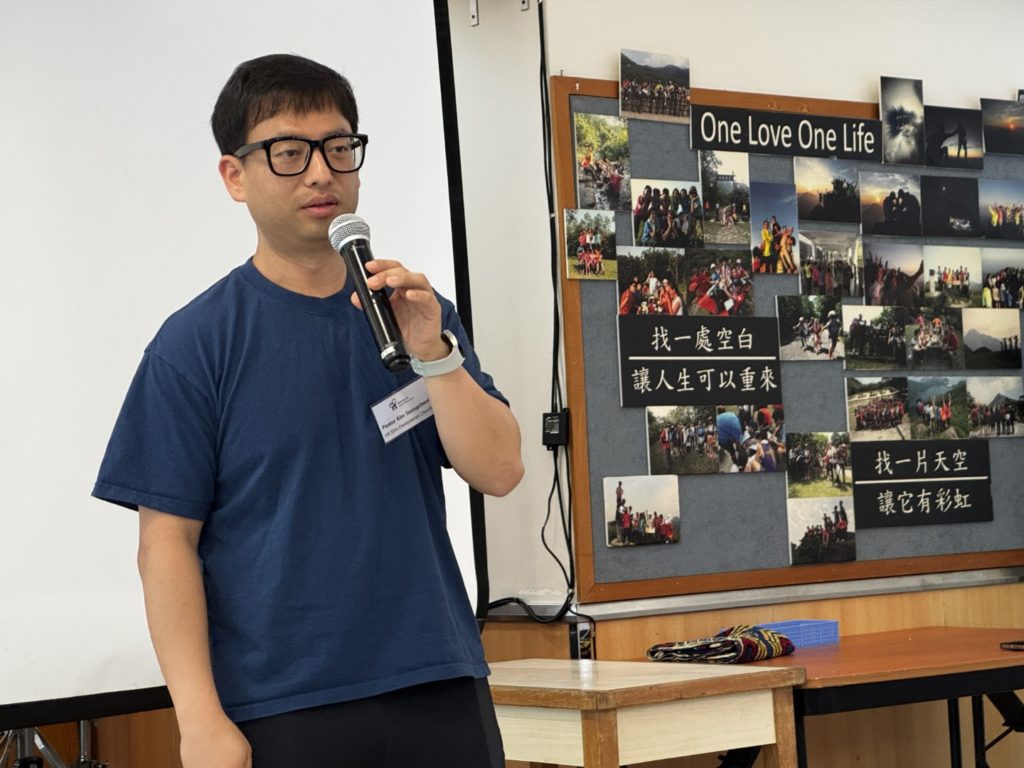
After all the performances concluded, Pastor Kim delivered a sermon to the children about Jesus’ cross in preparation for the upcoming Easter. Through his message that “God sent His Son Jesus to forgive our sins although we are sinners,” the children received the message of God’s unconditional love.
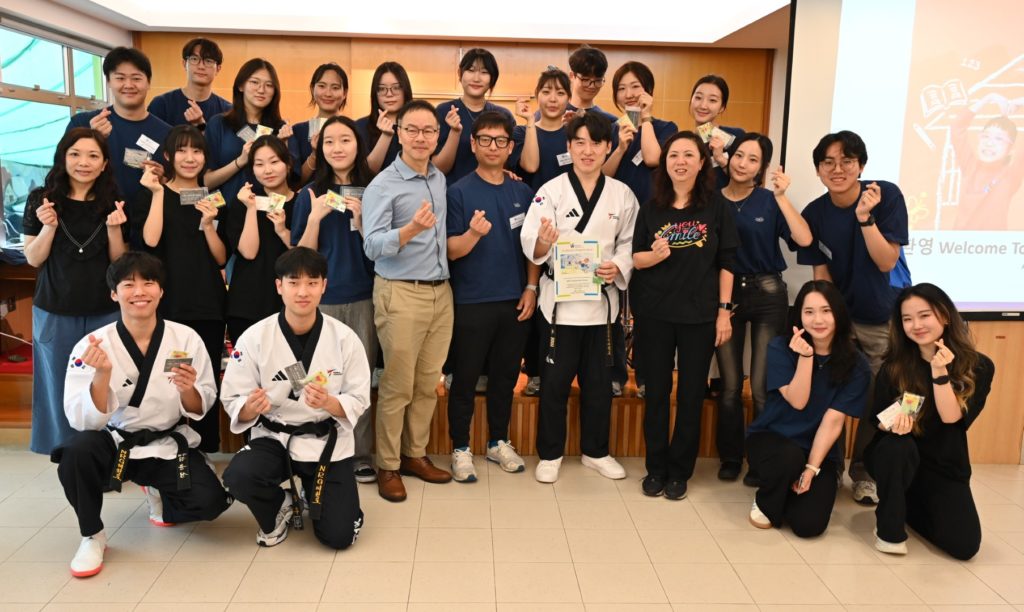
“Seeing the children here made me realize how precious the things I’ve taken for granted are,” said Sangju Lee, one of the NRG Taekwondo masters who joined the event. “I initially came with a simple mindset of volunteering, but the time spent with these children was valuable, and though I came to serve, I feel I received much more.”
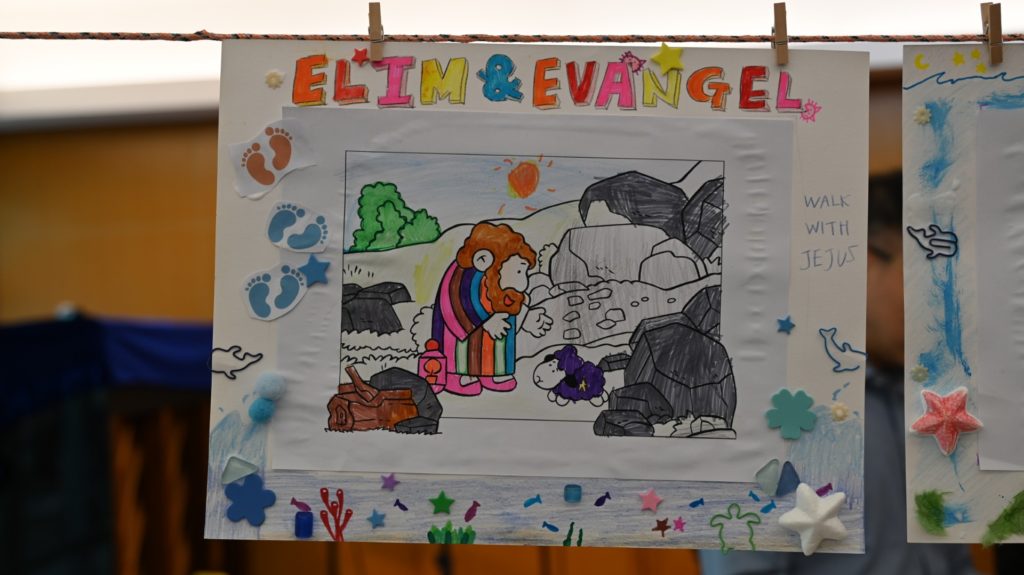
Hyunseong Lee, from the young adults ministry of Elim Church, recalled: “If last year’s mural painting was about covering the children’s wounds with love, this year while creating frames to hold the children’s artwork, I felt that we should always hold these children in our hearts. Although we only meet these children once a year, I wanted to convey that Jesus always walks with them, and I realized we should always keep them in our prayers.”
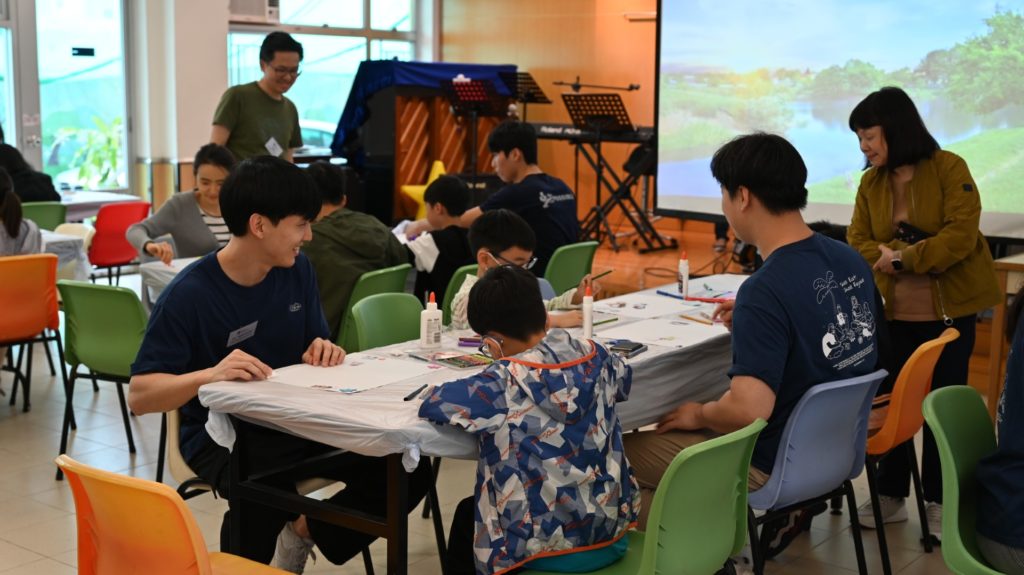
Halim Kim, from the church university ministry, shared: “I had the opportunity to visit Evangel Children’s Home again this year after last year’s visit. While I remember approaching each other cautiously and awkwardly last year, this year the children approached me first, and I felt warmed by their reduced guardedness.”
“What particularly stands out in my memory was a child who told me about scoring 12 on her math exam. That cheerful and innocent expression made me smile too. Another child who could barely make eye contact last year due to trauma was smiling brightly this year, sharing dreams of becoming a doctor. When the children talked about school or made casual comments about who was good-looking, I realized these children are no different from kids outside—just ordinary, innocent children. Hearing that their favorite food is the Korean fried chicken we’ve shared in last year’s event, I learned gratitude from how they find joy even in the smallest things.”
“However, thinking about what scars and memories might chase these children throughout their lives weighs heavily on my heart. Nor do I know the reason why the child I’ve painted pictures with had to have her face blurred in the official photograph. I also got to know that due to government policy, the children must leave ECH when they turn 18. Though ECH provides a transition period to help them adapt to society, I find myself continuing to pray that they can pursue their dreams in the world ahead, walking with Christ.”
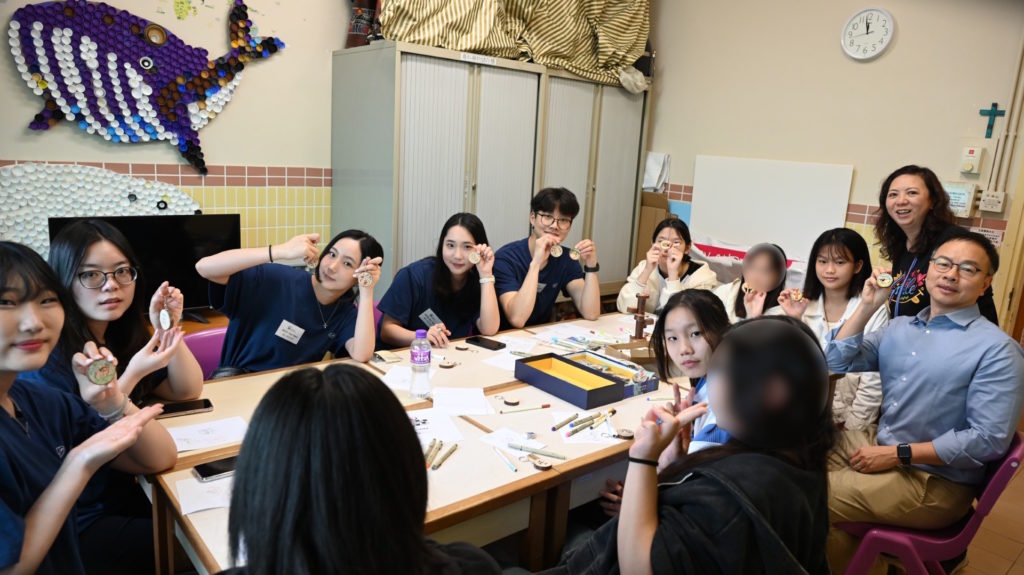
Hyunseo Kim, also from the church university ministry, shared: “The children I visited after a year left me with many new thoughts. Unlike last year when church members conducted activities separately, this volunteer opportunity allowed us to interact directly with the children, giving me a warmer feeling.”
“A child who was initially hesitant to even share their name when we started drawing activities later came to hold my hand, asked to take pictures together, climbed on me to jump, and was upset because they couldn’t eat at the same table with me. This made me think about how much heart and love we can share in such a short time.”
“After returning, I couldn’t begin to measure what wounds these children carry from their past, present, or future, but I found myself praying that they continue to share healthy minds and love through good relationships. I hope I remain a good memory for those children as their ‘big sister.’ I hope to have another opportunity to be with the children again!”
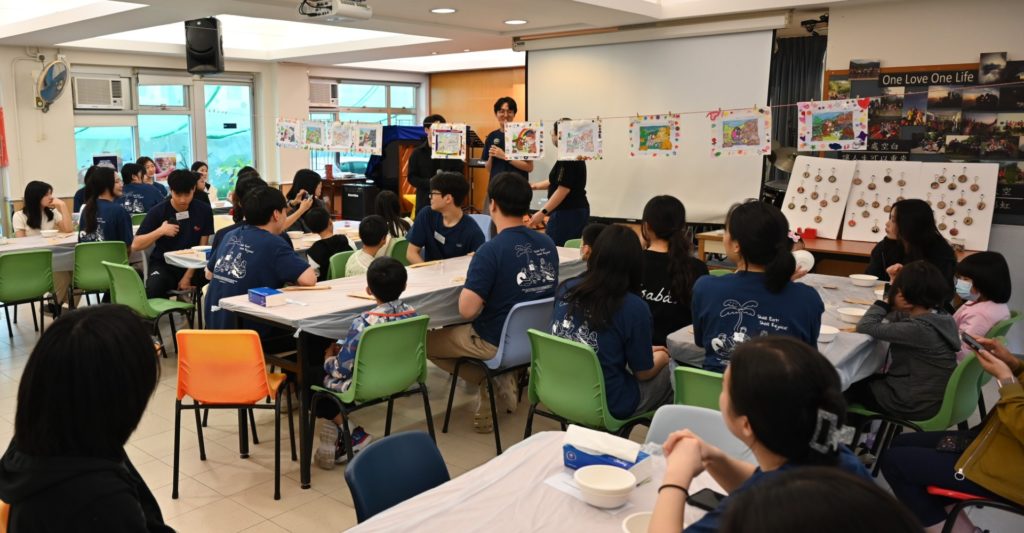
Master No Rae, who sponsors Evangel Children’s Home, served as the bridge between NRG Taekwondo and Hong Kong Elim Presbyterian Church again this year, following last year’s collaboration. Regarding his reasons for supporting ECH for multiple years, Master No explained, “When South Korea was poor in the past, there were missionaries who spared no love and care for that land, which is why South Korea exists as it is today and we can now live in an environment without lack.
Therefore, I believe we shouldn’t just end with what we’ve received, but should pass on the love we’ve received, which is why I sponsor these children. We don’t know what influence our taekwondo demonstration and praise dance shown today might have on these children in the future. Perhaps even one of these children might be touched and become a great person who passes on the love they received today. I hope that such a virtuous cycle of love continues.”
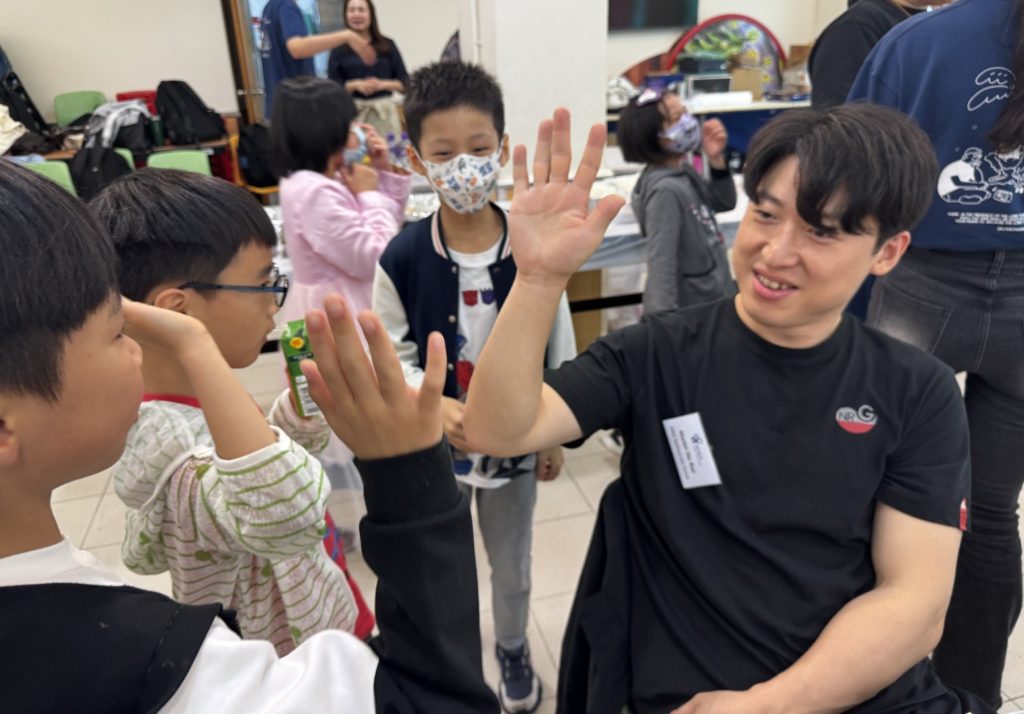
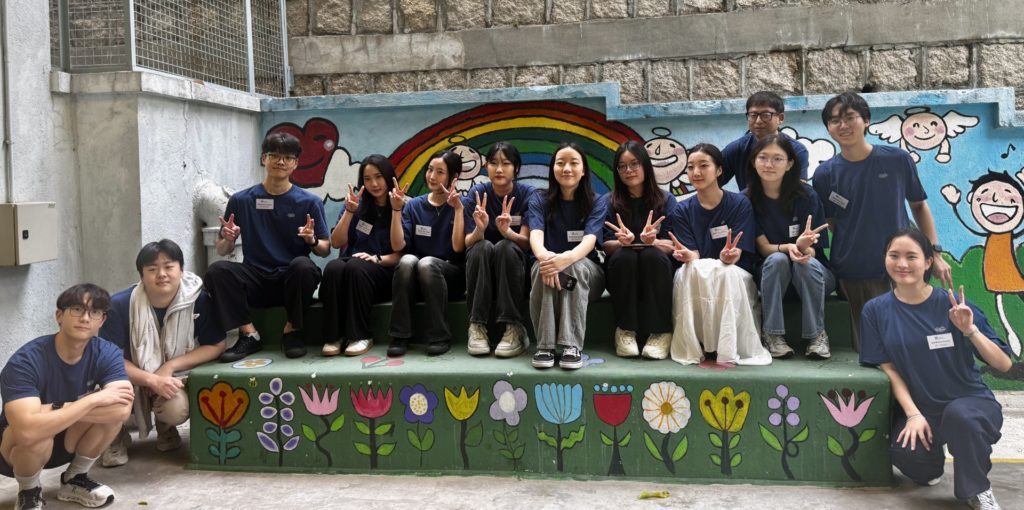
We hope that activities like this, where young adults can share their various gifts, will continue. We look forward to seeing how the precious hearts of these young adults toward the next generation will be conveyed to the children, continuing the virtuous cycle of love that Master No hopes for. Evangel Children’s
About Evangel Children’s Home (ECH):
ECH was established in 1956 by an American missionary in Hong Kong. This NGO is committed to supporting the healthy growth of orphans, children and youth from broken families. Part of the funding is raised under the ECH Sponsorship Program for the holistic development of children.
www.ech.org.hk
< The food shared during this visit was sponsored by ‘Yechan’ (a Korean restaurant located in Hong Kong). Please understand that some children’s faces are blurred due to regulations of protection of children.
https://weeklyhk.com/news/view.php?idx=28218


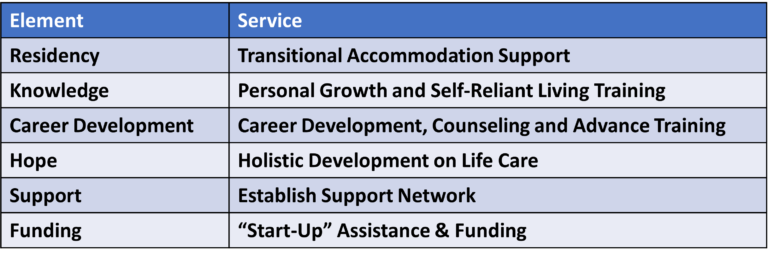
Icy (a former resident)’s sharing: “In fact, for an 18-year-old youth, without family support and facing confused future, it is very important to have someone to help.” Lack of family or other financial support, face challenges of residence, self-reliant living, further education and employment, turn out a helpless situation. 2nd Chance in Life – Transitional Sponsorship Program has been established for more than ten years, and has helped countless young people transit to self-reliant living, equip them, overcome all difficulties and successfully move up in adversity, and help them get started with service elements such as residency, career development, knowledge, connection, support and hope, and funding. The mentor through counseling and care, continue to care for all residents even after their leaving.
In this fast-paced and high-pressure society, this place brings a living source of love, firm support and endless encouragement, igniting their hopes for the future.

Affordable Accommodation as “Start-Up” Assistance, by 浩文
As a fresh graduate student, I was very financially strapped. I had to bear all my own expenses for clothing, food, housing, transportation, and tuition fees, which give me a lot of pressure. Living in a youth hostel has solved the dilemma of having to pay expensive rent (HK$7,000 can only live in a subdivided room). I only needed around HK$2,000 a month to pay for dormitory expenses include operating expenses and sundries. What was even more touching was that there were also various allowances, accommodation allowances, student allowances and other assistance, which perfectly matched my needs.
Career Development, Counseling and Advance Training, by Laura
The hostel provided me a convenient and stable environment, which allowed me to think about the future. I did not have to live in a place under complicated flow. The service provides life coaching and career planning, which would be a powerful force for young people to go upstream and pushed me to bravely pursue my dream and become a registered nurse.
Find the way, by Kyle
ECH mentor introduced a job to me, and let me found my future direction at work. By staying with young people, I learned how to get along with others, and also how to save money.
This is a right decision, by Gary
This is a place full of love. My mentor taught me how to find a job by learning practical skill of interview. He also helped me to develop the habit of saving through a savings plan. He taught me how to understand myself and how to deal with stress. He also taught me how to make desserts and makeup myself. There, I also got to know my good brother, friend and roommate Victor.
Find the warmth and love of home, by Lynn
The biggest gain from living there for two years is learning how to get along with a group of young people similar to myself. With a total of 12 girls living in 6 rooms, we would cook together and encourage each other in daily life. During this process, I felt a “kind of family” feeling that my original family could not give me.
Go through the difficult stage, by Icy
This place really feels like home to me! At that time, I felt confused and panicked because I had no support from my family, and I was in a negative mood. ECH helped me transition through a very difficult stage in my life. I was provided a lot of support and learned how to cook and take care of myself. In the ten years since I left, my mentor has continued to help me, encouraging me to participate in different interest classes, accompanying, listening and coaching my soul. So I changed to serve in an NGO finally, hoping to use my own experience to help children, and determined to influence lives with my life.
Service and accommodation fees around two thousand more, please inquire ECH for details.
Basic 2 years (subject to the need and individual situation for extension).

https://www.ech.org.hk/en/services/youth-home-service-2nd-chance-in-life-transitional-youth-sponsorship-program/
https://www.ech.org.hk/en/services/deprived-youth-career-personal-development-integrated-service/
https://www.ech.org.hk/en/all-stories/youth-stories/
For inquiries, please contact us at 2323 8224, extension 232/242.

Born in mainland China, Lillian’s (alias) parents were divorced before she was born, so she never met her biological father. Her mother had to travel far away for work, making her a “left-behind child” in the hands of her grandmother and aunt. However, neither her mother nor her relatives could tolerate Lillian’s carelessness and small mistakes. They educated her by scolding or beating her.
Injuries Discovered
Her mother later remarried and they moved to HK. Lillian became a cross-boundary student attending a HK school. After a while, her mother divorced again. She stayed with her mother and continued to be beaten and scolded on trivial matters. Although she was attacked many times by her mother since childhood, she remained silent. Until one day, a teacher discovered the injuries under her mask. Upon inquiries, the school decided to call the police and send her to hospital. She was then rescued from domestic violence and moved into a children’s residential home at the age of 14.
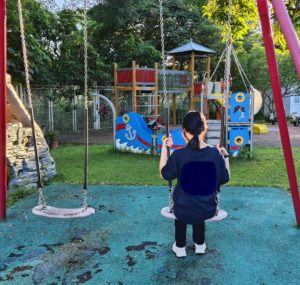
During the first two years in the residential home, Lillian took dance classes and remained a member of the school choir. Entering adolescence, she was obsessed with animation and loved role-playing. She would dress up meticulously and put on beautiful costumes. She met other cosplayers at the annual Animation-Comic-Game Hong Kong held at the HKCEC. By playing as a virtual character, it seemed she found some self-values and realized some personal dreams. But in reality, she continued to suffer from nightmares, mood swing and auditory hallucinations, which affected her social life in the residential home.
Timely Help
Lillian’s residential home provides services including Project 3R* supported by the Community Chest of Hong Kong and provides comprehensive care for residential children and youth. She was first introduced to 3R because of her skin problems. She thought she had a strange skin disease which caused redness and swell. 3R dermatologist diagnosed that the disease was inherited. After appropriate treatment, her condition was relieved and she learnt to coexist with it.
In general, home care children can go home temporarily on weekends, but to Lillian, this means a vicious cycle of being abused. At the age of 16, she was referred to 3R psychiatrist for assessment on her mood swings – laughing, crying or losing temper unpredictably. She was diagnosed insomnia and ADHD (predominantly inattention). This may help explain why her relatives reacted badly to Lillian’s repeated small mistakes since childhood. After taking prescribed medication, she felt quite good. Finally, she could concentrate in class and prepare well for the public exams next year.
She was grateful to 3R psychiatrist who carefully adjusted the medication that helped her sleep better, and improved her mind and spirit. For a period of time, she also received CP counseling from her residential home, which helped stabilize her mood. She thinks that low-income family like hers will not be able to afford such medical expenses. She cherishes 3R resources and the timely treatment.
It is a pity that her relative refused counseling and the relative’s mood did not improve. Lillian, on the other hand, grew up in a right environment and received various treatments. Eventually, she realized that she could say “no.” Therefore, she chose to take a break from seeing her potential “abuser” on weekends, which gave her much peace of mind.

Believe in Tomorrow
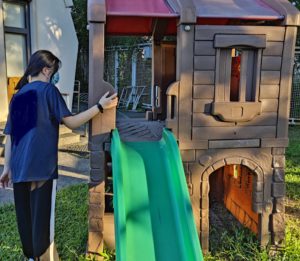
Having dissected small animals in biology classes, Lillian imagined one day she could assist a surgeon in an operating theatre. She hopes to pursue education in biochemistry or nursing and create a better future of her own.
Children who experienced trauma are grateful for the nourishment of love, like glue repairing fragments. It helps integrate their broken body and mind, regain strength and set sail for their dreams.
*Right Care, Right Time & Right Team (3R) Project is jointly organized by Evangel Children’s Home, Precious Blood Children’s Village and Sisters of the Good Shepherd, to provide comprehensive care plan for the admitted children.

“Am I living to survive or to make a living?” A youth who living in our hostel asked one day. Life has various pursuits. However, when someone is still worried about having enough food or a stable place to live every day, in lack of support, he/she may feel exhausted or stuck, and unable to move forward. Bing Bing (alias), who got help from SLY(1) program, broke through the “basic level of existence” and successfully transitioned to stability.
Those youths living in our Youth Home, bear the burden of growing up with trauma and lack of family support. They have to be independent from a young age and need to balance between their studies and earn a living. They struggle to meet their basic needs and thus find it difficult to establish a sense of security and self-esteem. In turn, their motivation for social interaction and personal development is affected. According to *Maslow’s Hierarchy of Needs theory^, they remain at the lowest level, ie. basic level of existence.Bing Bing is one of them.
Bing Bing comes from a single-parent family that faces severe financial difficulties. While trying to make a living, she also has to pay for her basic diploma tuition fees. When she sought help from her mother, she was met with cold stares and harsh words. Bing Bing felt angry at her mother’s lack of care and began to see herself as useless and worthless. Fortunately, a social worker referred her to Evangel Children’s Home Youth Hostel and helped her apply for a startup fund, which assisted Bing Bing in facing her difficult situation timely and transitioning to stability.
When Bing Bing first moved into the Youth home, her emotions were often unstable, and became much stressed when her studies were far behind. After counseling and discussions with the youth workers, Bing Bing decided to switch to work in full time. The mentors arranged an internship for her. She performed well and was eager to learn. The internship provided her with a stable income which can lessen her burden and meet her basic living needs. As she adapted to the work routine, her emotion was more stable gradually. The program helped her to move up satisfying her safety and security needs rather than just the physiological needs.
Through her job, Bing Bing discovered a passion for brewing coffee and planned to become a barista. With a clear goal in mind, she became much more proactive and engaged compared to the early stage she was referred to live in. She is learning different coffee brewing techniques diligently, striving to move up the career and social ladder rather than remain at the “basic level of existence” (described in Maslow’s Hierarchy of Needs theory^).


Our ECH youth worker encourage the young people in the hostel to take steps to overcome their difficulties. With our service intervention, we walk alongside with them, providing support and strength, helping them break through the “basic level of existence.”
Keynote: SLY(1) Program –Second Chance in Life – Transitional Youth Sponsorship Program

Whenever we met Elaine (alias), she smiled always. Whatever we told or asked her, she responded spontaneously with “yes”, “it doesn’t matter”, “whatever”, etc. She has encountered many difficulties in these years and we understood her days were not easy. We appreciated her positive attitude when we found she was temperless and willing to help others, with her smiley face on.
However, we found Elaine was not really a “yes-man” indeed. When she said “it doesn’t matter” but did not mean it; her facial expression could not help disclosing her ‘disagreement’ deep inside her heart. This discrepancy made her smile not authentic at all.
The coach discussed this ‘tip of iceberg’ with Elaine and investigated her iceberg underwater together. The impact from those barriers which she met in her life, made her not dare to express herself. She thought she could avoid any conflict from peoples around her after she said “yes” and just accepted others’ request, no matter she liked it or not. But, this would only suppress her feeling and ignore her real thought inside. This would not help her in solving problem at all, it even made it worse repeatedly.

When she knew the reason behind, she got the clue and understood there could be other way out. The coach encouraged Elaine to start how to speak out her thought and express more about her own feeling and needs. In order to learn how to love and protect herself, Elaine had to learn not to say “it doesn’t matter” everytime.